The Panagyurishte Treasure – History and Significance
The Panagyurishte Treasure – history and significance – is a key symbol of Thracian culture and religion. In this article, we will examine not only the history of the treasure but also its significance in the context of Thracian polytheism. These items are not merely exceptional artifacts but key evidence of the religious beliefs and rituals of the Thracians. They worshiped multiple deities closely connected to natural forces and the cosmos.
Purpose and Use
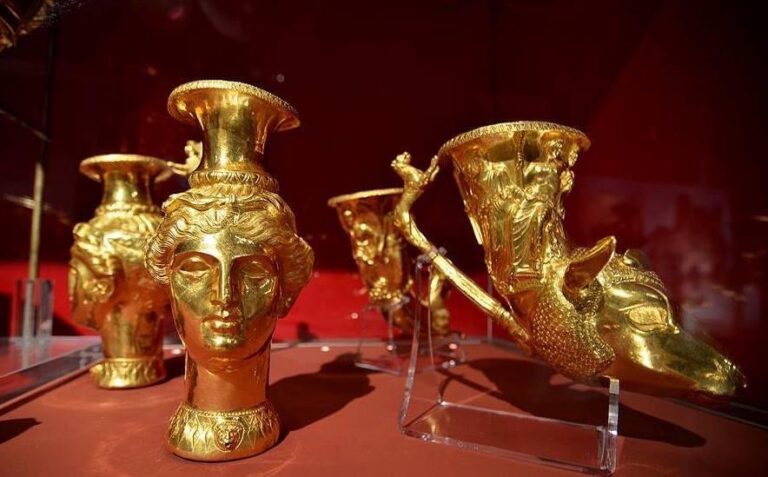
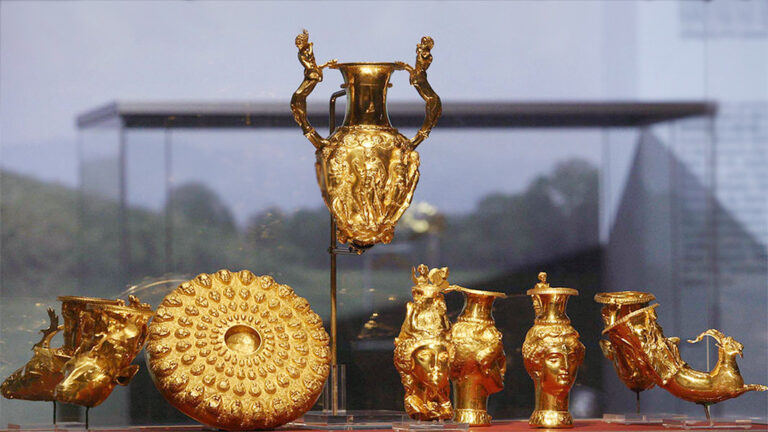
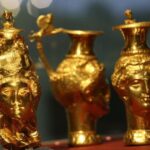
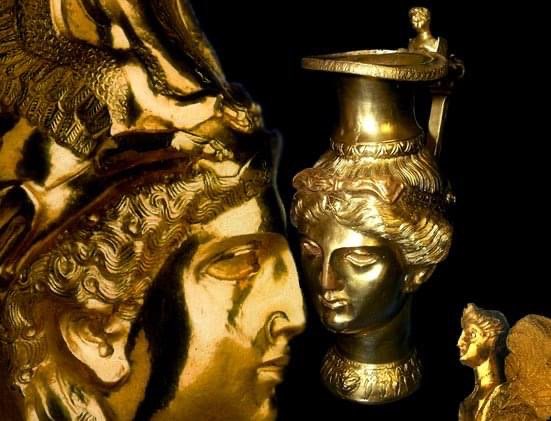
The Thracian aristocracy used the Panagyurishte Treasure in religious and ceremonial contexts. The Thracians included the vessels in rituals and feasts dedicated to the gods, as they practiced polytheism and maintained a complex religious system. The depictions of mythological figures and animals on the vessels reflect religious symbols and served in rituals related to the veneration of the gods.
Connection to Polytheism
The Thracians worshiped multiple gods, each playing a role in different aspects of life and nature. Their polytheistic religion was closely linked to war, fertility, nature, death and the underworld. These beliefs had a significant influence on Thracian culture and social rituals, which included the use of items such as the Panagyurishte Treasure.
“Sacrifices and Rituals – People used the vessels in the Panagyurishte Treasure, including rhytons and phiales to offer wine, honey or milk to the gods during sacrifices. Archaeological research confirms that these rituals were important for ensuring fertility, success in battle, or protection from diseases.
Festive Feasts – During Thracian banquets and feasts, the vessels from the treasure played a key role. People used them in important religious events and cultural ceremonies intended to honor the gods and heroes of Thracian mythology. They included the gold vessels only on the most significant occasions.
The Importance of Polytheism for the Panagyurishte Treasure
The images on the vessels depict mythological scenes and figures connected to Thracian and Greek gods. These scenes reflect the religious beliefs and legends that were important to the Thracian aristocracy. The use of richly decorated items served to strengthen the bonds between the aristocracy and the gods.
Historical Significance of the Panagyurishte Treasure
The Panagyurishte Treasure is evidence of the cultural and economic prosperity of the Thracians, as well as their connections with neighboring civilizations. Its intricate craftsmanship shows the influence of Greek masters, but the Thracians preserved their unique identity.
Ultimately, the Panagyurishte Treasure was not merely decoration but an important element of religious rituals and the cult of the many gods who dominated the religious life of the ancient Thracians.
See More
Analysis of the Artifacts (Part One)